Power Zones Explained: Training with a Power Meter
Understand cycling and running power zones, how to set your FTP, and why power-based training delivers more precise and effective workouts.
Strilab Team · · 3 min read
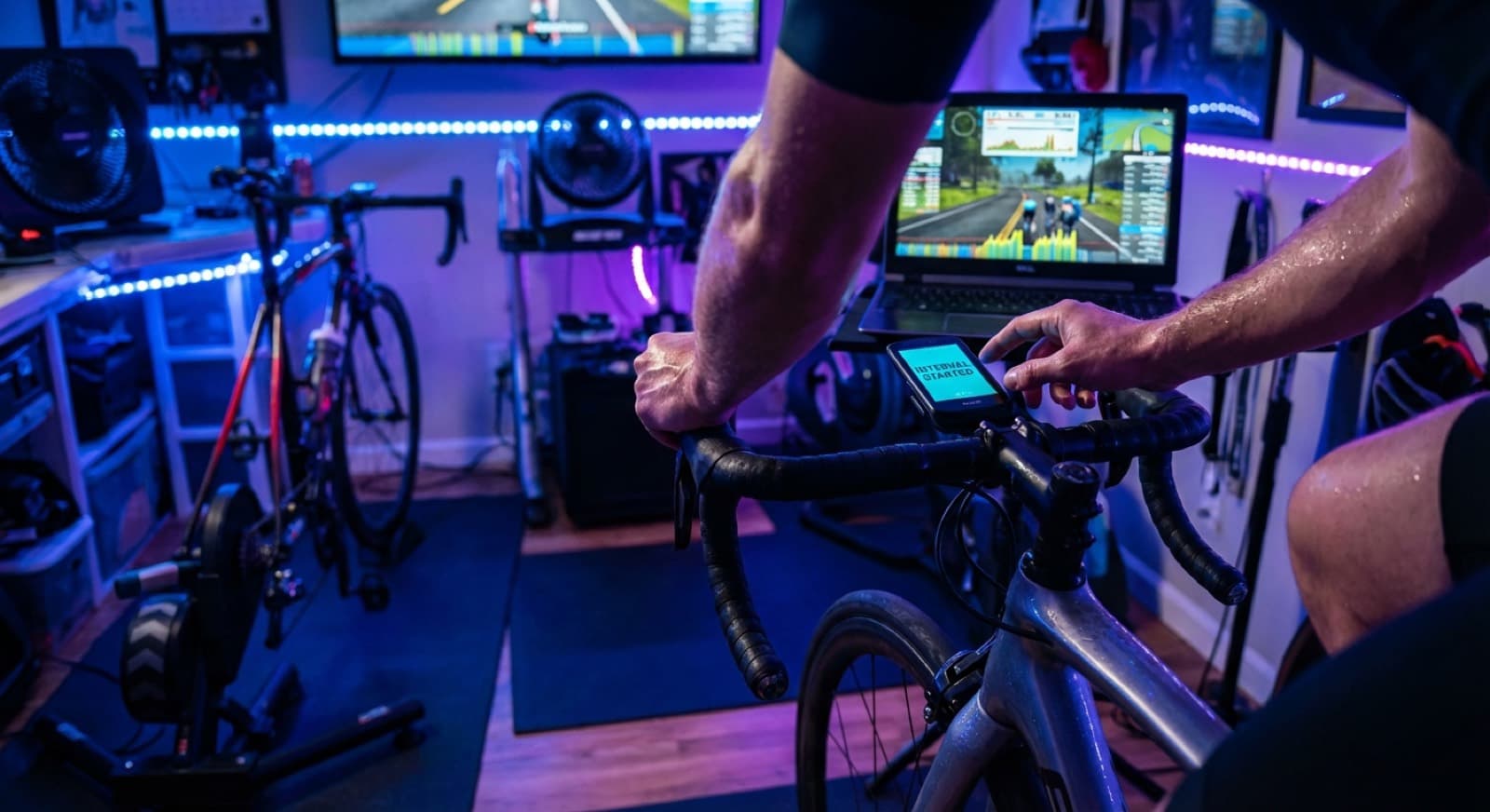
What Makes Power Special?
Power, measured in watts, is the most objective and immediate measure of training intensity available. Unlike heart rate, which responds to effort with a delay and is influenced by caffeine, temperature, sleep, and stress, power output reflects exactly how hard you are working at any given moment. For cyclists and increasingly for runners, training with power transforms guesswork into precision.
Functional Threshold Power (FTP)
The foundation of power-based training is your Functional Threshold Power, or FTP. This represents the highest average power you can sustain for approximately one hour. It marks the boundary between efforts you can maintain aerobically and those that will accumulate fatigue rapidly.
The classic FTP test involves a 20-minute all-out effort, with FTP estimated as 95 percent of your average power during the test. Alternatives include ramp tests and 8-minute protocols, though the 20-minute test remains the most widely used.
The Seven Power Zones
Zone 1 - Active Recovery (below 55% FTP): Spinning the legs with minimal resistance. Used for warmups and recovery rides.
Zone 2 - Endurance (56-75% FTP): Steady aerobic effort. The zone for long rides that build your aerobic engine. You should be able to hold a conversation comfortably.
Zone 3 - Tempo (76-90% FTP): Moderately hard effort. Useful for building muscular endurance. Conversation becomes difficult but not impossible.
Zone 4 - Threshold (91-105% FTP): Efforts at or near FTP. Sustainable for 20 to 60 minutes. This zone directly raises your functional threshold.
Zone 5 - VO2max (106-120% FTP): Hard intervals lasting 3 to 8 minutes. Develops your maximum aerobic power and oxygen processing capacity.
Zone 6 - Anaerobic Capacity (121-150% FTP): Very hard efforts of 30 seconds to 3 minutes. Expands your ability to work above threshold.
Zone 7 - Neuromuscular Power (above 150% FTP): Maximum sprints lasting under 30 seconds. Develops peak power output and neuromuscular recruitment.
Why Power Beats Pace
On hilly terrain, pace is almost meaningless as an intensity metric. Running or riding uphill at the same pace as on flat ground requires dramatically more power. A power meter eliminates this ambiguity, ensuring consistent training stimulus regardless of the course profile.
Training Stress Score (TSS)
Power data enables precise quantification of training load through TSS. This metric accounts for both intensity and duration, providing a single number that describes how taxing a workout was. An easy two-hour ride and a hard one-hour interval session might produce similar TSS values despite feeling very different.
Tracking Power Progress
As you get fitter, your FTP rises, and your power zones shift upward. Regular testing, every 6 to 8 weeks, ensures your zones stay current. Outdated zones lead to training at the wrong intensities, undermining your progress.
Power in Strilab
When a ride has power data and you have set your FTP, Strilab calculates its training stress from normalized power (TSS = hours × IF² × 100). It also finds the intervals of the session and tells you how they went: how steady each one was, whether you faded in the last ones and whether you hit the target. Update your FTP after a test and the load history recalculates with the value that applied on each date. More on cycling with Strilab.
- power zones
- FTP
- cycling
- power meter
- training